
May 31, 2008

A Guide To Blood Pressure


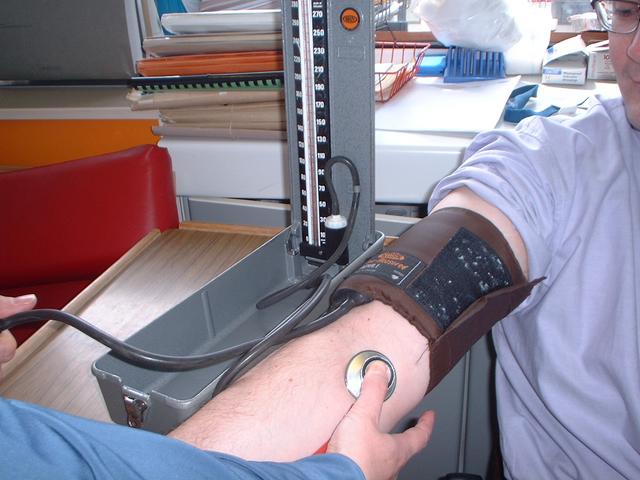
bpress.jpg

Blood pressure is defined as the force that is pushed along the arteries every time the heart beats. Therefore, blood pressure is a measure of how hard the heart has to work to pump blood.

The pumping action is known as systolic pressure. When the heart is at rest, between beats and the blood pressure falls, is known as diastolic pressure. Blood pressure is measured using a blood pressure cuff and recorded as systolic pressure over diastolic pressure. The top number indicates the systolic pressure and the bottom indicates the diastolic pressure. Normal blood pressure is lower than 120/80. Blood pressure in children is much lower than in the adults since pressure rises as a person ages.

The systolic and diastolic reading of 140/90 or higher indicates high blood pressure. This can result in a faster heartbeat as the heart tries to pump the blood. This could lead to stroke, heart attack, and kidney problems.

Severe medical problems can cause blood pressure to rise. Arteries may become hardened and narrowed with cholesterol plaque and calcium, resulting in the heart having to pump harder.

Blood pressure is important to pay attention to as high blood pressure is linked to hypertension, which leads to heart attack.

Ask your doctor about your blood pressure.


Tagged with:

May 17, 2008

Do You Hurt Your Heart By Being Angry


mad.JPG

Medical studies are not needed to tell us that anger raises our blood pressure, causes our hearts and heads to pound, makes us sweat and shake, and can make us unreasonable.
Is the answer then to suppress our anger? Anger is an emotion that, when not contained and channeled, can be harmful to the body, especially the heart.

Should you hold anger in, or express it outwardly? Research suggests that either extreme puts you at risk for heart disease.

Anger is hard on your heart! So what is the answer? Try not to get angry in the first place (easier said than done). Failing that suggestion, you can develop your emotional intelligence, and get smart about it.

A study of how men coped with anger revealed that those who were rigid in the way they handle anger, either always holding it in, or always expressing it , had higher total cholesterol and higher bad LDL cholesterol levels than those who were more flexible.

The answer is to be flexible. Sometimes anger should be kept in, and sometimes expressed. If you always hold it in, or always express it, you may be damaging your heart. Practice makes perfect, and it starts with self-awareness.


Tagged with: