farmville
2 girls 1 cup
two girls one cup 2 girls 1 cup adipex without prescription 2 girls 1 cup
Pottery barn
May 17, 2008

Heighten Cardiovascular Health With Arjuna


tree.JPG

Heart disease is the number one killer of people in the US. So, one should to be concerned about what is needed to avoid being a victim of heart disease.

You might be wondering if there is a natural remedy that can serve as a preventative or relieve or reduce the symptoms of cardiovascular disease. Is there some natural remedy that can lower LDL, reduce angina, reduce congestive heart failure, ischemic heart disease, prevent and reduce the fat on your artery walls and lower high blood pressure?

Yes there is. It’s an herb called Arjuna. Arjuna comes from the Terminalia Arjuna tree, located throughout India.

In all of the clinical studies that have being performed it has shown significant improvement in patients tested. In tests for LDL cholesterol, it reduced LDL by 25% after 30 days of use with a dose of 500 mg per day.

People who suffered from angina attacks were put on Arjuna. During a 12 week period, these people had a 30% reduction in angina attacks.

Arjuna is also affordable. Most herbal remedies or supplements that can really do something for are expensive. Arjuna is quite a bit less at your health food store or when purchased through mail order.

Of course, before beginning any supplement, talk to your doctor first.


Tagged with:

May 1, 2008

What Does An Abnormal EKG Mean


ek.jpg

EKGs are used as a preventative measure for people who have a family history of heart disease.If a patient complains of chest pain or irregular heart beat the doctor will probably do an EKG.

An abnormal EKG is determined by comparing the results of the EKG ordered for you with a normal EKG. Normal EKG’s show a slight flat-dip in between beats. If these flat-dips are missing this is not normal.

Myocardial defects, heart valve disease, enlargement of the heart, inflammation of the heart, coronary artery disease, and past, pending or future heart attacks are only a few of the problems that EKG will find .

Some patients are surprised to find out that they have had an abnormal EKG. As well, even more surprising is when presented with abnormal EKG results, some physicians do not seem concerned. This doesn’t mean they are inadequate physicians; it is more likely they believe something else has caused the abnormal reading.

Most doctors will want to check further by doing another EKG. Sometimes something as simple as low blood sugar can alter EKG readings.

When you have an EKG done, ask your doctor to explain the results to you and ask questions if you don’t understand.


Tagged with:

April 29, 2008

Can A Patient Actually Grow Heart Cells

cells.jpg

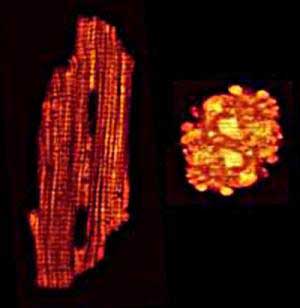
Recently researchers have successfully grown master heart cells in a test tube and used them to significantly improve heart function in lab mice. This is an amazing achievement a promising discovery in the fight against cardiovascular disease.

Scientists everywhere have been trying to find stem cells that can be used to repair or replace damaged heart tissue. There is evidence that suggests that embryonic stem cells may allow for the creation of functional heart tissue for transplants.

The human heart is made up of three distinct cell types: cardiomyocytes, endothelial cells, and vascular smooth muscle cells. Each of these cell types plays an important part in functioning heart tissues.

One research group created the heart cells by adding a mix of growth factors and other molecules to the petrie dishes containing the stem cells at important times during the experiment. By getting the correct timing, the scientists got the cells to grow into ancestors, or “progenitors,” of the three specific heart cell types.

When the heart cells where transplanted into lab mice with simulated heart disease, their heart function improved. Researchers say their success offers hope to those aiming to develop stem cell biology techniques for the treatment of damaged human hearts.

Researchers think that individual types of heart cells could be produced by isolating particular types of progenitors.

Growing heart cells is a tremendous advancement in heart disease.


Tagged with:

April 28, 2008

Learn The Signs Of Aortic Stenosis

stenosis.jpg

Aortic stenosis is a condition that causes obstruction of blood flow between the left ventricle and the aorta. There are different causes, including obstruction at the valve itself, or narrowing of the aorta above the valve.

The most common form of aortic stenosis is obstruction at the valve itself.
Patients with aortic stenosis are usually otherwise in normal health. A heart murmer is the most common sign detected by a physician indicating that a valve problem may be present.

Patients with mild-to-moderate degrees of aortic stenosis will have easily detectable heart murmurs, and are typically without any symptoms at all.
Symptoms occur only with severe aortic stenosis. For example, a newborn with critical aortic stenosis will develope heart failure in the first days of life if not treated.

In older patients, severe aortic stenosis rarely causes heart failure. The patint may experience chest pain, lightheadedness or fainting spells especially when exercising. Severe aortic stenosis is a rare, but well-documented, cause of sudden death during strenuous sports activities.

Long-term follow-up, with regular evaluations by a qualified cardiologist, is essential to helping provide the highest quality outcome for patients with aortic stenosis. When ever a person experiences any of these symptoms, they should speak to their doctor immediately.


Tagged with:

April 15, 2008

Is Kawasaki Disease Dangerous


 kawa.jpg

Kawasaki Disease (KD) is also called “muco-cutaneous lymph node syndrome.” The cause of Kawasaki Disease has not known.

Kawasaki Disease, usually after a period of time and even without consulting a doctor, resolves itself and the patient is fine. Without consulting a doctor, however, potential serious complications may develop and may not be recognized.

Kawasaki Disease usually affects children younger than 4 years old with the majority being less than 2 years; although cases in older children have also been reported.

Findings of high fever and enlarged lymph glands in Kawasaki Disease seem to show it as an inflammatory process. Because the inflammation often involves the blood vessels of the body, Kawasaki Disease is felt to be an inflammation of a blood vessel. The cause of the inflammation is not known.

Some of the signs of Kawasaki Disease include:

1. Prolonged high fever (lasting longer than 5 days)
2. A non-specific rash that often involves the groin area
3. Painful joints
4. Red eyes, without discharge
5. Very red lips and tongue
6. Enlarged neck lymph gland(s)
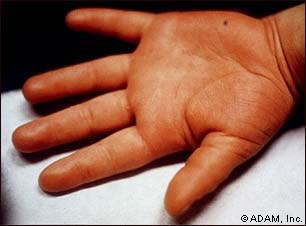
7. “Puffy” hands and feet occasionally followed by peeling of their superficial skin
8. Irritability in younger patients. In some children, enlargement of the gall bladder can cause abdominal pain and vomiting.


If there is no heart involvement after 1 year from the diagnosis of this disease, the patient is often released from further cardiology evaluations. The majority of the patients fall in this category, and they have an excellent prognosis.

Consult your doctor with any questions or concerns.


Tagged with:

April 11, 2008

Learning What A Holter Monitor Is

 holter.jpg

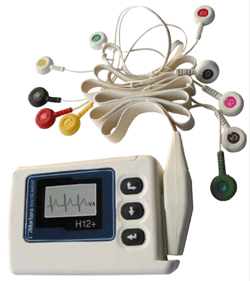
A Holter monitor is a device that gives a 24-hour recording of the electrical activity of the heart. The monitor is used as a diagnostic tool to record the rate and rhythm of the heart.

Irregularities in heart beat, such as fast heart rate, slow heart rate and abnormal rhythms of the heart will be recorded.

Because many irregularities that occur in heart rate or rhythm may not be present at all times, a standard electrocardiogram (EKG) may not record them.

By recording the heart rate and rhythm continuously for 24 hours throughout different activity levels of a patient there is a greater chance of detecting abnormalities.

The Holter monitor is placed on the patient by an experienced technician or physician. Five electrode patches (with wires) are attached to the patient’s chest.

The electrodes are like EKG patches and make it possible to record the heart’s electrical activity. The wires are attached to a tape recorder that is worn for 24 hours on a belt around the waist or on a shoulder strap.

The patient is able to remove the Holter monitor after the 24 hour period or return to the physician’s office for removal of the monitor.

A patient may be asked to keep a record of activities on the day that the monitor is attached, especially recording any symptoms that develop that are suspected of being a heart rhythm problem.

Your physician will be able to answer more detailed questions.


Tagged with:

April 7, 2008

What Are The Treatment Options For Heart Disease

stethescope_bell.jpg

Two of the most common indications of heart disease are chest pain and myocardial heart attack.

The chest pain felt in heart disease occurs because blocked arteries prevent an adequate supply of oxygen and nutrients from reaching the heart. The main causes of chest pain can be: increased physical effort, emotional stress, exposure to secondhand smoke, or even by certain meals or weather changes. Chest pain, also called angina, is treated medically with nitroglycerin, beta- blockers or calcium entry blockers.

It has been found that lack of vitamin C is an important factor of risk of heart disease. Vitamin C helps to strengthen the artery walls by building up their collagen content.

There are two types of treatment for heart disease:

1.) Conventional treatment, which uses surgery and drugs to treat the symptoms of heart disease but rarely gets to the root cause of the disease;

2.) Alternative treatment, which boosts the body’s healing powers and focuses on removing the cause of the disease rather than on treating its symptoms.

The alternative treatment aim is at containing and reversing the underlying cause of heart disease. Heart disease is easier to prevent than to treat.

Diet and lifestyle changes are perhaps the most important tools in the natural treatment of heart disease. Doctors recommend a diet devoid of animal products (except egg whites and nonfat dairy products) and very low in fats and cholesterol, quitting smoking and using a program of moderate exercise.

Check with your doctor about the treatment and avoidance of heart disease.


Tagged with:

April 1, 2008

Can Barley Help Prevent Heart Disease

barley.JPG

According to American Heart Association, at least 13 million Americans are diagnosed with heart disease. Each year, nearly half a million loose their lives to heart disease. Coronary heart disease is a global killer that can restrict blood flow and lead to chest pain and heart attacks. That is why people are advised to keep these cholesterol levels as low as possible.

A diet high in soluble fiber has the greatest effect on reducing cholesterol.

Fiber is not absorbed by the small intestine. But, when it passes through to the large intestine, soluble fiber, such as beta-glucan from oats and barley, is fermented. This will help slow blood glucose absorption and stimulate probiotic bacteria in the gut.

Cereals, breads, and other products containing whole or milled barley grain can reduce the risk of heart disease. However, whole grain barley and barley products must provide at least 0.75g of soluble fiber per serving to have this effect.

Like other grains, barley contains fiber that can help reduce risk factors associated with excess weight and Type 2 diabetes that can lead to coronary heart disease. Scientific evidence indicates that including barley in a healthy diet can help reduce the risk of coronary heart disease. New research shows that 3g of barley can lower cholesterol by about 5 percent, similar to what oatmeal does.

Talk to your doctor about adding barley to your diet to help reduce the risk of heart disease.


Tagged with:

March 27, 2008

Use Green Tea To Help Prevent Atherosclerosis

tea1.jpg

Heart disease and atherosclerosis are a great health concern but if one adds Green Tea they can lessen the worry.

Green tea is one of the most under-recognized ways to better ones health. Green tea is rich in anti-oxidants, just like fruits and vegetables. There have been many studies that have concluded that green tea’s anti-oxidants have a powerful influence in preventing heart disease and atherosclerosis.

The University of Shizuoka in Japan conducted a study on green tea and its ability to prevent atherosclerosis. Mice were fed green tea extract in their drinking water, while other mice were fed water without green tea added. All of the mice were given foods high in saturated fats.

After about eight weeks, the mice that were fed green tea showed significantly less propensity to have atherosclerosis. While a high level of LDL was still present, it was not being converted to plaque. The study concluded that green tea has the ability, likely because of its high anti-oxidant level, to prevent the peroxidation of the LDLs. So, even when the diet was high in bad cholesterol, the green tea seemed to prevent this cholesterol in the blood from turning into atherosclerosis.

This doesn’t mean that it’s ok to eat a diet high in fat and cholesterol and rely on green tea to take care of the problem.

The best plan for preventing heart disease and atherosclerosis is to follow a low cholesterol diet, maintain a healthy weight and get regular exercise.


Tagged with:

Keep Cardiovascular Disease At Bay With Fish Oil

salmon.JPG

Exciting research undertaken to assess the benefits of fish oil in helping to prevent cardiovascular disease indicates that the omega-3 fatty acids in fish oil is promising.

The research has shown that it may certainly reduce the risks of it. In particular, clinical studies have shown that omega-3 fatty acids help to lower triglycerides. As well they lower blood pressure, reduce the risk of arrhythmias which increase the risk of cardiac arrest, reduce plaque, help to prevent blood clots and improves endothelial function which supports the growth of new blood cells.

It is exciting that fish oil has been found to lower triglycerides as high levels of triglycerides have been found to increase the risk of heart attack.

Although omega-3 fatty acids can be obtained from sources other than fish oil, two of the most beneficial forms are only available from fish. Omega-3 can be included in the diet by eating fatty fish (such as salmon) three times a week. However you can take omega-3 supplements. Make that the companies use oil that is top quality and have all toxic metals and chemicals removed.

As always be sure to check with your doctor before beginning any new regimen.


Tagged with: