May 31, 2008

What Is A Implantable Cardioverter Defibrillator


 icd_1.jpg

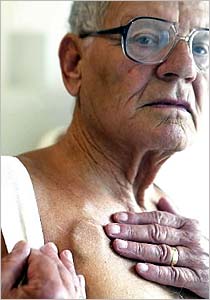
An implantable cardioverter defibrillator is a device designed for individuals with certain forms of heart disease or defects that put them at recurring risk of sustained ventricular fibrillation, or cardiac arrest. They are a sort of pacemaker. The device is implanted either within the chest itself, or more recently, within the blood vessels which eliminates the need for open chest surgery.

An implantable defibrillator, or ICD, uses leads positioned near the heart to deliver electronic pulses when it is detected that a cardiac rhythm is out of sync. The device can also, if necessary, stimulate a consistent pace or beat if the heart is unable to do so on its own.

Internal defibrillators are only used in cases where a patient has shown consistent, recurring risk of cardiac arrest or attack do to fibrillation. As with any invasive surgery, an ICD is not to be taken lightly, but they have been extraordinarily useful in preventing sudden deaths among patients who elect to have them implanted.

If you are wondering if you are a candidate for an ICD, check with your regular doctor or cardiologist. Only they can determine whether you are in need of an internal defibrillator. However, if you have been found to be at recurring risk for rhythm interruptions, an ICD may be a treatment option for you.

Consult your doctor for more information about whether an ICD is right for you.


Tagged with:

May 13, 2008

What You Should Know About Pacemaker Surgery


 pacemaker2.jpg

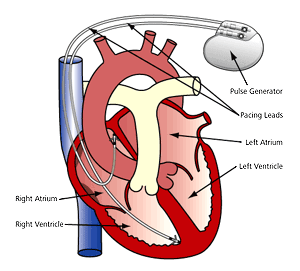
A pacemaker is a small, battery operated medical device designed to electrically stimulate the heart in order to restore normal heart rhythm.

A pacemaker has two main parts: the pulse generator and pacing leads. The pulse generator is where the battery and electronic circuits are located. These circuits contain timers that regulate how often the pacemaker sends impulses to the heart.

Pacemaker surgery complications:
The most common complications of the pacemaker surgery are blood loss, infection, and lead dislodgement. However, the percentage of any of these complications occurring is very low.

The patient is given a single dose of antibiotics during the surgery to prevent infection. Antibiotics may also be given after the operation in selected cases.

If blood loss is excessive, which is very rare in pacemaker surgery, a blood transfusion may be necessary.

If a pacemaker lead moves from its proper position (highly unlikely), a second surgical procedure may be needed to reposition the displaced lead.

Restrictions for pacemaker patients:
Following the procedure, the patient will have certain restrictions for days or weeks. All patients with pacemakers are asked not to participate in contact sports. This restriction may be life-long.

In addition, patients will be asked to avoid interaction with certain electronic devices that may interfere with the pacemaker’s proper function.

Ask your doctor to give you all your post surgery instructions for your new pacemaker and be sure that you understand them.


Tagged with:

Who Needs A Pacemaker

pacemaker.gif

A normal heartbeat comes from the heart’s natural pacemaker called the “sinus node.” When the sinus node sends signals, a wave of electricity then moves across the upper chambers of the heart causing the upper chambers to contract.
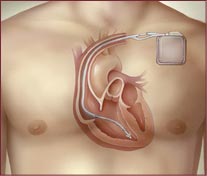
The electrical impulse then moves to the lower chambers of the heart resulting in contraction there.

These contractions allow for blood to be pumped to the body. This blood supplies the body with oxygen and nutrients, as well as eliminates waste products.

When the hearts natural pacemaker doesn’t function normally, an artificial pacemaker may be needed.

Some people are born with sinus dysfunction as a result of some congenital heart defects. As well sinus misfiring can also be the consequence of certain surgical procedures.

Many other patients may need a pacemaker with conditions such as abnormally fast heart rates, patients who pass out, patients on medications that slow the natural heart rate, patients with heart valves that leak, patients with an abnormally thick heart and patients with poor heart function.

An artificial pacemaker helps to restore the heart rhythm towards a normal rhythm. This improves the heart’s ability to circulate blood through the body and the wear and tear on the heart it self.

Ask your doctor for more information about on pacemakers.


Tagged with: