May 31, 2008

Warriors For Your Body Through Yogurt


 200804-r-yougurt-plum.jpg

Research proves that yogurt is not just a diet food. Evidence is growing that it is packed with microscopic warriors - beneficial bacteria that are a must for good health.

The National Institute of Nutrition states a cup of yogurt (250 mg) contains 370 mg of calcium. This is 30 - 40 % of most adults’ daily needs. As well, at eight grams of protein per cup, yogurt meets 20 - 25 % of the average daily needs of an adult and is a good source of the B vitamins. And, a cup of yogurt contains 250 mg of potassium - almost as much as a banana does.

Yogurt sets up an efficient little factory in the intestinal tract and manufactures B vitamins for you and also provides lactic acid, which aids protein, calcium and iron assimilation.

For those on a low calorie diet, yogurt is a great food in any case. It is easily available anywhere, is a snack that tastes great at any time of the day; it is low in calories and can be sufficiently filling when eaten combined with a high-fiber vegetable or fruit.

Yogurt may just be the perfect food.


Tagged with:

May 25, 2008

Deliciously Nutty Hazelnuts


Nuts in general are a great addition to any diet. They are cholesterol-free, low in sodium and they are a great source of the vitamins and minerals that your body needs.

Hazelnuts in particular have a rich, pungent and naturally nutty flavor. They come from the hazel tree which is grown in the northern hemisphere specifically for the nuts.

First, let us take a look at the nutritional value of hazelnuts. These tasty treats are rich in protein, dietary fibers, iron, calcium, potassium, thiamine and vitamins B6 and E.  The vitamin E content helps with the formation of red blood cells. In addition, it is helps with energy enhancement, aids protein metabolism, reduces the risks of certain cancers and helps promote normal appetite.

You need to remember, though, that hazelnuts are also relatively high in the ‘good’ fat. If you have are prone to high blood pressure or if you have heart problems, make sure to only include a maximum of three 30-gram servings of hazelnuts in your weekly diet. However, when taken in ideal amounts, the oil which can be found in hazelnut helps in the fight against heart disease.

Hazelnuts make for a great on-the-go snack, and they can also be added to your favorite desserts and salad recipes.


Tagged with:

May 13, 2008

Venison’s Nutrition


Venison or deer meat may not often be part of your menu for dinner, but it is something that you need to consider serving frequently because of its great nutritional value. Venison roast, grilled venison steaks, barbecued venison chops or creamed venison are tasty treats whether you are having dinner in a fine restaurant or having a special home cooked meal.

First, let us take a look at the nutritional content of venison. This meat is rich in vitamins B2, B3, B6 and B12.  It is also a good source of iron, phosphorus, selenium, zinc and copper. Second, as compared to other types of meat, venison is a protein source which is relatively low in saturated fat.

Since venison is especially rich in iron, it is suitable for lactating and menstruating women, as well as children and teens with an iron deficiency. All in all, the nutritional content of venison makes it helpful in:
• Reducing the risks of colon cancer.
• Reducing the occurrence of migraine attacks.
• Reducing the risks of osteoarthritis.
• Energy production.


Tagged with:

May 11, 2008

Sumptuous Scallops


Whenever I eat out in a fine restaurant, the first thing that I look for in the menu is scallops. I absolutely love the delicately mild and sweet flavor of this seafood, as well as the chewy and fleshy texture.

Aside from the divine taste of scallops, they are also a great protein source substitute instead of red meat for those who on a weight loss program. A 4-ounce serving of baked or broiled scallops will provide you with almost 80% of the recommended daily value of protein that you need.

This seafood is also rich in trytophan, vitamin B12, phosphorus, magnesium, potassium and Omega 3 fatty acids. The last item is great for those who are taking better care of their heart’s health. Omega 3 fatty acids help increase your heart rate variability, and serve as a protection against the fatal arrhythmia, stroke and high blood pressure. Finally, scallops help prevent the risks of certain cancers, protect against childhood asthma and age-related diseases.

Scallops are best enjoyed with your best seafood chowder recipe, they can be served as kebabs and they also taste great when combined with your favorite veggies. To fully enjoy the heart health benefits of scallops, make sure to bake or broil them instead of frying.


Tagged with:

May 1, 2008

What Do You Need To Know About Protein
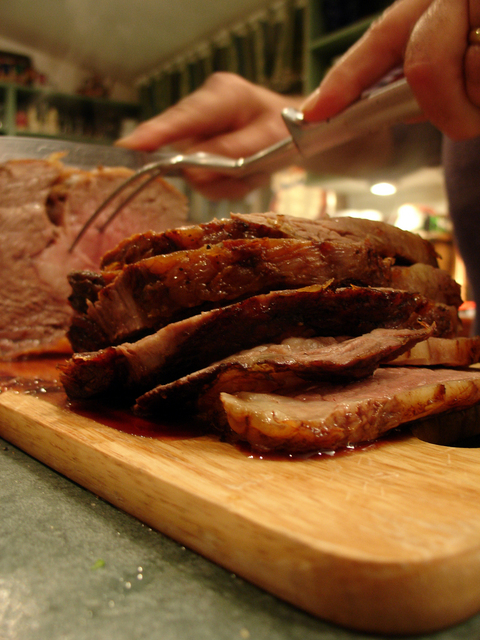
beef.jpg

When we are trying to get protein, is red meat bad for us like the doctors say?

Fatty meats or red meats are typically higher in fat and the fat is generally a higher saturated fat than say, poultry (white meat). It would be the saturated fat in the meat that is the culprit and the doctors are warning against. To say that red meat in general and altogether is bad for you would be taking the statement too far.

Even though red meats may contain higher levels of saturated fat, they still have high levels of the essential amino acids that your body needs to survive.

The protein in the red meat provides all eight essential amino acids while the protein found in wheat flour or cake flour may only provide one or two amino acids.

It comes down to an understanding of how the foods work in the body, if you eat red meat, just make sure that you cut all the fat off or purchase lean cuts of meat.

Eggs are another great source of protein if you don’t like meat. The egg white has an abundance of all the right amino acids, is easily digested and absorbed into the body.

Ask your doctor about the right sources of protein for you.


Tagged with:

April 29, 2008

Foods To Cleanse Your Liver

sunflower082707.JPG

Most of us don’t think about the foods that will keep our liver strong. But, if you have been using a diet that is good for your overall health, then, most likely you are helping your liver.

Oils for a healthy liver are flax seed oil or fish oil ands should be used every day. Stay away from margarine or any other artificial butter since they contain chemicals the liver cannot recognize as food. Sunflower, safflower, and other seed oils should be kept in the refrigerator to keep them from becoming rancid.

Fat accumulates in the liver. The liver is responsible for breaking down the fat and using it for energy. Accumulated fat in the liver can become rancid producing free radicals that damage liver cells.

People only need about 2-3 ounces of protein, but if you do physical labor you need more. If there this undigested protein it is decomposed by bad bacteria creating toxic matter. These toxins can be absorbed into the blood and cause the liver extra work in detoxifying them.

You can support liver activity by eating foods such as brussel sprouts, broccoli cabbage, seeds and nuts and Lecithin (ask your doctor first).
Reduce or eliminate the use of processed sugar since it interferes with enzyme activity throughout your body. Use fruits, whole grains, barley malt, rice syrup, dates, dried fruit, and honey instead.

Ask your doctor about liver health.


Tagged with:

December 17, 2007

What Are The Most Powerful Protein Producers?

original_meal.jpg

Recent studies have indicated that consuming too much protein may contribute to degenerative diseases, but not having enough protein in your diet leads to many other concerns. Low energy, fatigue, poor muscle tone, and muscle weakness are a few of the signs of protein deficiency. If you exercise, but are not maintaining a healthy protein level, your body will burn muscle instead of body fat.

Protein is fuel for our bodies; the amino acids of protein help us burn fat, provide energy, protein metabolizes into skeletal muscle tissue, and is utilized in cell and tissue growth and regeneration.

Active women need a minimum of 45 grams of protein in their daily diet, and active men need at least 55 grams. Children (2-12 years) need about 2 grams

The foods that contain and provide us with the healthiest amounts of protein are as follows.

Meat; beef, chicken, turkey, and lean pork

Fish: tuna, salmon, etc.

Eggs

Dairy products: milk yogurt, and cheese

Grains and cereals: rice, wheat, rye, oats, and barley

Seeds: linseed, sunflower, pumpkin, and sesame

Nuts: peanuts, hazel, walnuts, pine kernels, almonds, cashews, hickory

Soy products: tofu, soy milk

Beans: green, kidney


Tagged with: