Fishing For Nutritional Food with Flavor?
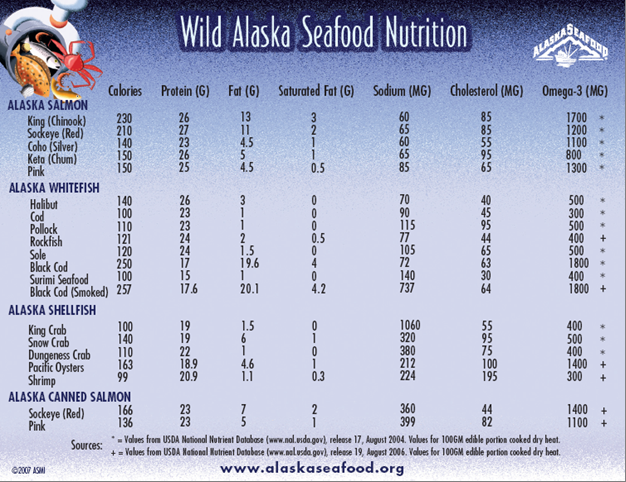
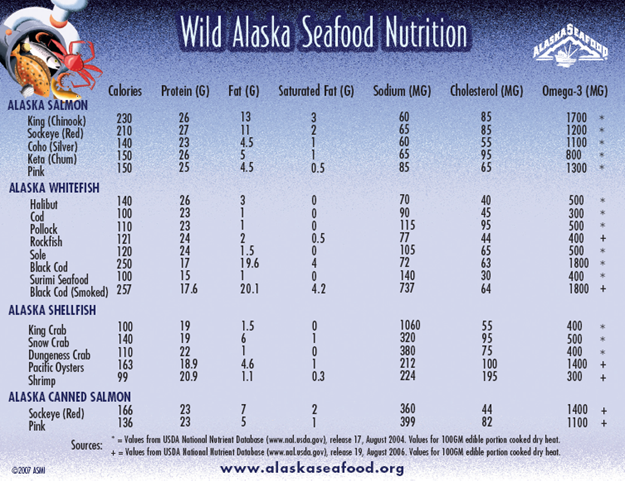
Let seafood catch your attention. Seafood provides excellent nutrition, taste, and health benefits that you might have been unaware of before.
Seafood contains protein, vitamins A, D, B 12, iron, zinc, magnesium, selenium, and even glucose. One of the most valuable nutrients in seafood, are Omega-3 fatty acids. The benefits of Omega-3 are quite numerous, beginning with basic cell health, and they have been shown to boost immunity, stimulate brain function, help protect against heart disease, Alzheimer’s disease and other neurological disorders. Researchers are studying the connection between Omega-3 fatty acids and the alleviation of symptoms of depression, joint pain, hypertension, skin problems, and even attention deficit disorder.

Do Fatty Acids Help With ADHD
A new study in Nutrition Journal finds that young people with ADHD have a noticeably different amount of fatty acids in their cells.
When you examine the red blood cells of kids with ADHD, there are some striking differences compared with cells from others. In general, you’ll find a higher ratio of omega-6 fatty acids to omega-3s. The cells of the kids with ADHD are also quite low in DHA, a specific omega-3 fatty acid that is closely linked with healthy brain development. It seems that low omega-3 levels are directly related with behavioral symptoms.